How to Rank Your Content Ideas Using a Keyword Difficulty Checker
A strong content idea can attract consistent organic traffic, but choosing topics based only on intuition can waste time and resources. Content teams need a practical way to determine which keywords offer realistic ranking opportunities.
A keyword difficulty checker provides useful data for this process. It helps content marketers assess how difficult it may be to rank for a particular search term based on factors such as competition, backlinks, domain strength, and the current search results.
When used correctly, keyword difficulty analysis helps a content team prioritize topics that match its authority, audience, and business goals.
What Is Keyword Difficulty?
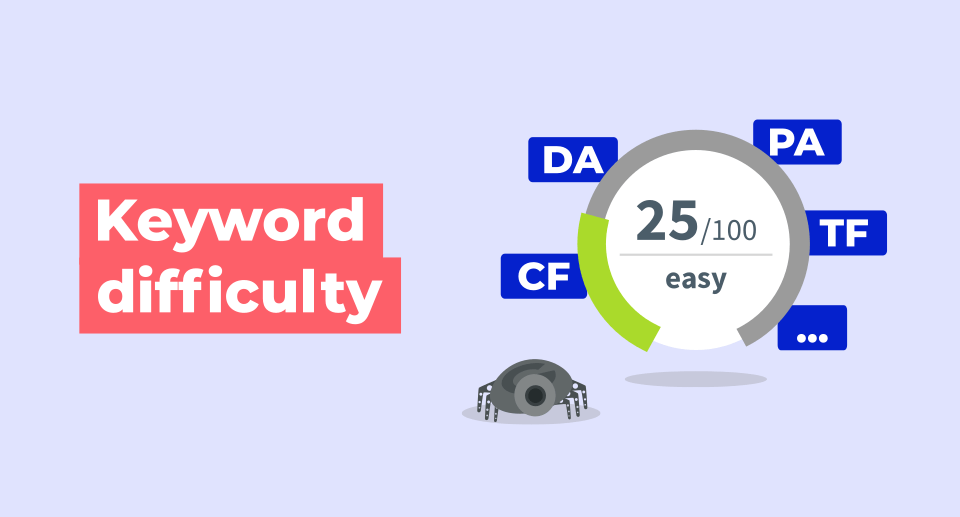
Keyword difficulty is a metric that estimates how challenging it may be for a page to rank for a specific keyword in organic search results.
Different SEO platforms calculate the score in different ways. Some consider the backlink profiles of ranking pages, while others combine domain authority, competition, search results, and other signals.
A greater difficulty score generally indicates stronger competition. A lower score can indicate an easier opportunity, although a low score never guarantees a first-page ranking.
The best keyword difficulty checker tool gives content teams a starting point for comparing potential topics.
Why Keyword Difficulty Matters for Content Ideas
Content teams often generate dozens of possible topics. They cannot publish everything at once, so they need a way to prioritize.
Keyword difficulty can help answer important questions:
- Is the keyword realistic for the website?
- How strong are the competing pages?
- Does the topic have enough search demand?
- Can the website create a better result?
- Does the keyword match the target audience?
- Does the topic support a business goal?
For example, a new website may struggle to rank for a broad keyword dominated by major publications. A related long-tail keyword may have lower competition and provide a more realistic starting point.
Start With a List of Content Ideas
The process begins with topic research.
A content team can gather ideas from customer questions, sales conversations, forums, competitor websites, search suggestions, existing analytics, and industry trends.
Each idea can then become a potential keyword.
For example, a marketing website might consider topics such as:
- SEO content strategy
- How to conduct keyword research
- Keyword research for beginners
- How to find low-competition keywords
- How to measure organic traffic
The team can then use a keyword difficulty checker to compare these opportunities.
Check Search Volume Alongside Difficulty
Keyword difficulty should never be the only metric.
A keyword may have a low difficulty score but receive very little search traffic. Another keyword may have moderate competition but attract a valuable audience.
Content teams should consider:
- Monthly search volume
- Keyword difficulty
- Search intent
- Traffic potential
- Cost per click
- Business relevance
- Conversion potential
- Existing website authority
The free keyword difficulty checker can provide a useful starting point for smaller teams or websites with limited SEO budgets.
However, the score should always be considered alongside other data.
Match Keyword Difficulty to Website Authority
A website's current authority plays an important role in topic selection.
A well-established website with strong backlinks and a history of ranking for competitive topics can often target more difficult keywords.
A newer website may need to focus on less competitive search terms first.
This does not mean a new website should avoid competitive topics forever. Instead, it can build authority through useful content, internal links, relevant backlinks, and consistent publishing.
Over time, the site can move toward more competitive keywords.
Look for Low-Competition Long-Tail Keywords
Long-tail keywords often contain several words and usually have a more specific search intent.
Examples include:
- Keyword research tools for small businesses
- How to check keyword difficulty for SEO
- Low-competition keywords for new websites
- Keyword research strategy for local businesses
These phrases may have lower search volume than broad keywords, but they can attract highly relevant visitors.
A top keyword difficulty checker can help identify variations with different competition levels, giving content teams more options when building their topic calendars.
Study the Search Results
Keyword difficulty scores provide data, but the actual search results provide context.
A content team should search the keyword manually and examine the pages currently ranking.
The team should look at:
- Content depth
- Page format
- Domain strength
- Backlink profiles
- Search intent
- Content freshness
- User experience
- Topic coverage
If every top-ranking result comes from highly authoritative websites with extensive resources, the keyword may require significant effort.
If the results contain outdated or incomplete pages, the topic could present a useful opportunity.
Compare Competing Pages
The strongest content ideas often come from gaps in existing search results.
A content team can compare the top-ranking pages and ask:
- What questions do they answer?
- Which questions do they ignore?
- Is their information outdated?
- Do they provide original examples?
- Is their content difficult to navigate?
- Can a new page provide clearer information?
Keyword difficulty analysis becomes more useful when the team combines numerical data with a quality review of competing content.
Consider Search Intent
Search intent describes what users want when they enter a query.
Common types include:
- Informational
- Commercial
- Transactional
- Navigational
A keyword with attractive search volume and low difficulty may still be a poor content choice if the search intent does not match the website's purpose.
For example, a product company may gain little value from ranking for an informational keyword if the audience has no connection to its product or service.
The ideal topic combines reasonable ranking potential with strong audience and business relevance.
Use Keyword Variations Naturally
A content team should not create separate pages for every tiny variation of the same search phrase.
Instead, one comprehensive article can cover closely related terms when they share the same search intent.
Keyword variations might include:
- Keyword competition checker
- SEO difficulty checker
- Keyword competition score
- Low-competition keyword finder
- SEO keyword analysis tool
- Keyword ranking difficulty
Using related terms naturally helps create comprehensive content without repeating the primary keyword excessively.
Build a Content Priority Score
An SEO team can create its own simple scoring system to rank content ideas.
For example, each keyword could receive a score based on:
- Search demand
- Keyword difficulty
- Business relevance
- Search intent
- Traffic potential
- Content quality opportunity
A keyword with moderate search volume, manageable competition, strong business relevance, and clear search intent may deserve a higher priority than a high-volume keyword that has extreme competition.
This method turns keyword research into an actionable editorial plan.
Recheck Keyword Difficulty Over Time
Keyword competition can change.
New websites may enter the search results, established pages may gain backlinks, and search behavior may shift.
For this reason, content teams should periodically review important keywords rather than relying on an old difficulty score.
The best keyword difficulty checker tool can support ongoing keyword research by helping teams monitor competition and discover new opportunities.
Avoid Choosing Keywords Based Only on Low Difficulty
Low difficulty sounds attractive, but it does not automatically make a keyword valuable.
Some low-competition keywords have little commercial value or very limited search demand.
The better approach combines difficulty with relevance and potential value.
A keyword should ideally meet three conditions:
- The audience searches for it.
- The website can provide a strong answer.
- The topic supports a meaningful business goal.
This approach prevents content teams from filling their editorial calendars with easy but unproductive topics.
Create Content That Can Compete
Keyword research only identifies an opportunity. The content itself must still compete with the existing results.
A strong article should provide:
- A clear answer to the search query
- Accurate and useful information
- Logical headings
- Relevant examples
- Helpful visuals where appropriate
- Internal links
- Original insights
- A strong user experience
The page should satisfy the searcher's needs better than competing pages rather than simply repeat the target keyword.
How a Keyword Difficulty Checker Fits Into the SEO Process
A keyword difficulty checker works best as part of a broader workflow:
Content idea → Keyword research → Difficulty analysis → Search intent → Competitor review → Content creation → Optimization → Performance tracking
This process helps teams avoid choosing topics blindly.
The free keyword difficulty checker option can work well for basic research, while more advanced platforms may provide deeper competitor, backlink, and keyword data.
Final Thoughts
Keyword difficulty gives content teams a practical way to prioritize ideas and identify realistic ranking opportunities.
The most effective approach does not chase the lowest difficulty score. Instead, it balances competition with search demand, search intent, business relevance, and website.
Comments