Tunisia Visa Instructions for Online and Embassy Applications
Applying for a visa to Tunisia requires following clear steps through the Embassy or Consulate, where applicants are expected to submit accurate documents and complete the official process. The Tunisia visa application instructions usually begin with checking the visa type based on your travel purpose, such as tourism, business, or long-term stay. Applicants must carefully fill out the application form, ensure passport validity, and prepare supporting documents like travel itinerary, accommodation proof, and financial statements. Submitting incorrect or incomplete information at the Embassy or Consulate may lead to delays or rejection.

At the Embassy or Consulate, applicants are also required to follow appointment scheduling rules and attend in-person submission if needed. The Tunisia visa application instructions further emphasize the importance of meeting photo requirements, paying applicable fees, and complying with interview requests when applicable. Once submitted, the Embassy or Consulate reviews the application and processes it within a specific timeframe. Travelers are advised to apply early to avoid last-minute issues and ensure all documents meet official standards for a smooth approval process.
How do Tunisia Visa Instructions explain determining the visa type?
Understanding how Tunisia Visa Instructions explain determining the visa type is essential for a smooth application process. This step helps travelers identify the correct visa category based on their purpose of visit, ensuring they meet the right requirements and avoid delays or rejection.
- Purpose of travel: Choose a visa based on your reason for visiting, such as tourism, business, study, or family reunification.
- Length of stay: Different visas have different validity periods, so select one that matches how long you plan to stay.
- Entry type: Decide whether you need a single-entry or multiple-entry visa depending on your travel plans.
- Official guidance: Follow instructions provided by the Tunisia Visa Instructions through the embassy, consulate, or official sources.
- Document preparation: Each visa type requires specific documents, so identifying the correct category helps you prepare properly.
What are the key requirements under Tunisia Visa Instructions?
Understanding Tunisia Visa Instructions is essential, as meeting the Document Requirement for Tunisia eVisa including a valid passport, photo, and travel details helps ensure a smooth and successful application process.
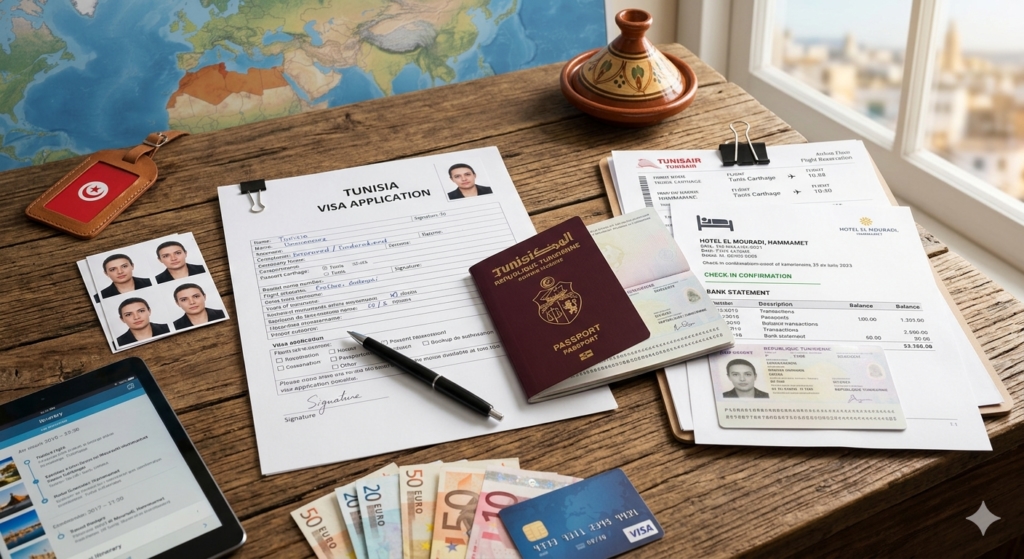
- Valid passport: Must be valid for at least six months beyond your planned departure date and contain at least two blank pages.
- Visa application form: Complete the form accurately with correct personal and travel details.
- Passport-sized photo: Submit a recent photo that meets official Tunisia visa photo guidelines.
- Supporting documents: Include proof such as hotel bookings, return tickets, financial statements, invitation letters, or study-related documents, depending on your visa type.
- Visa fee payment: Pay the required fee based on your visa category and processing time.
- Timely submission: Apply well in advance to allow enough time for processing and avoid last-minute issues.
How to correctly fill out the Tunisia visa application form?
The application form is the most critical document in your folder. Errors here are the leading cause of delays. Tunisia Visa Instructions advise the following for a perfect submission:
- Use Block Letters: Fill out the form in clear, capital letters using blue or black ink to ensure legibility during scanning.
- Consistency is Key: Ensure the spelling of your name, date of birth, and passport number exactly matches the data on your passport.
- No Blank Fields: If a section does not apply to you (e.g., "spouse details" if single), write "N/A" rather than leaving it empty.
What rules must be followed during your stay under Tunisia Visa Instructions?
Once you have your visa, the Tunisia Visa Instructions extend to your behavior and legal status within the country.
- Respect the 90-Day Limit: Overstaying a visa is a serious offense in Tunisia. If you need to stay longer, you must visit the local police station (Foreigners Department) to apply for an extension before your current permit expires.
- No Unauthorized Work: A tourist visa strictly prohibits any form of employment. Engaging in work without a permit can lead to heavy fines and deportation.
- Registration: If you are staying in private accommodation (rather than a hotel), your host is technically required to notify the local police of your presence.
What mistakes should be avoided in Tunisia Visa Instructions for online visa application?
While Tunisia has been working on streamlining an electronic visa (e-Visa) system, travelers often fall into traps. The Tunisia Visa Instructions for digital applications warn against:
- Third-Party Scams: Only use official portals. Many "visa agency" sites charge exorbitant fees for information that is free or for services they cannot actually provide.
- Low-Quality Scans: When uploading documents online, ensure they are high-resolution. Blurry photos of a passport or a bank statement will lead to an automatic "Information Requested" status, stalling your application.
- Incorrect Email Address: All correspondence, including your visa grant notice, is sent via email. Double-check your contact details before hitting submit.
How do Tunisia Visa Instructions differ for online and embassy applications?
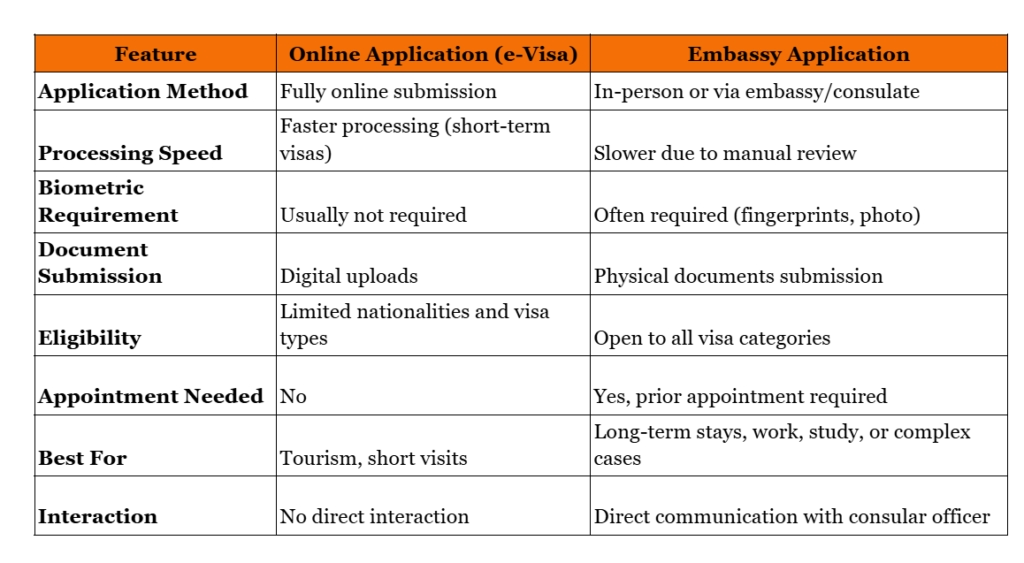
Understanding Tunisia Visa Instructions is essential when choosing between an online (e-Visa) and an embassy application. Both methods follow similar eligibility checks and document requirements, but they differ significantly in how you apply, how long it takes, and whether you need to visit a consulate. The online option focuses on convenience and speed, while the embassy route is more suitable for complex or long-term visa cases.Below is a clear comparison table to help you understand the differences:
What is the step-by-step process in Tunisia Visa Instructions?
Understanding the step-by-step process in Tunisia Visa Instructions is important to ensure a smooth and successful application. Whether you apply online or through an embassy, the process mainly focuses on accurate form completion, proper documentation, and careful review. Following each step correctly helps avoid delays or rejection.
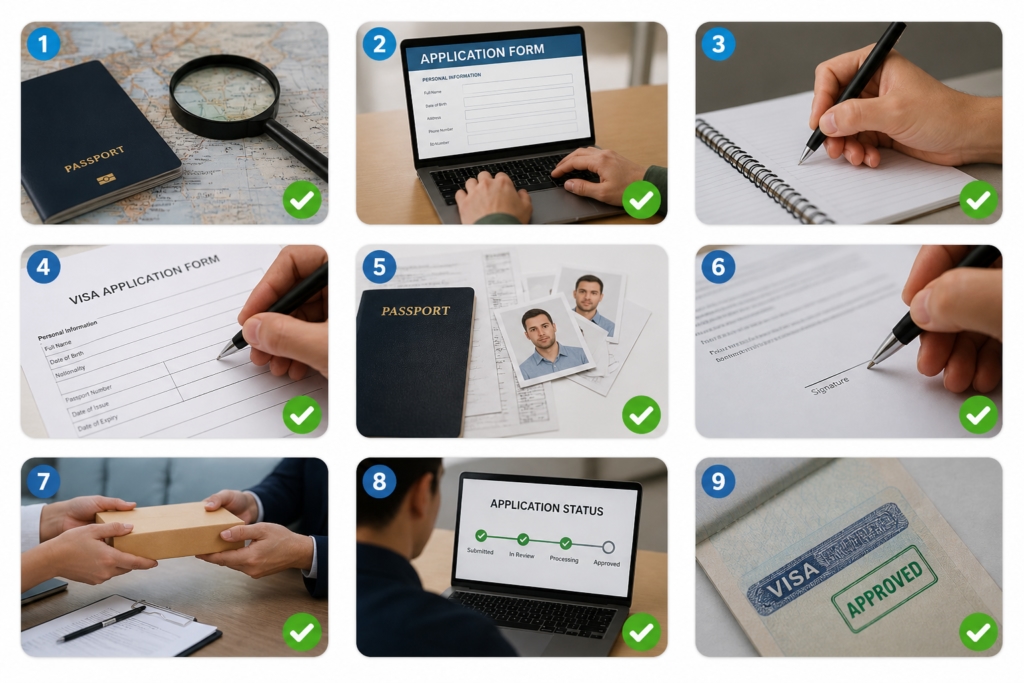
- Check visa requirements; Start by confirming the type of visa you need based on your purpose of travel (tourism, business, study, etc.). Review eligibility and required documents.
- Access the application form: Obtain the Tunisia visa application form from the official embassy/consulate source or the online portal (if applicable).
- Read instructions carefully: Before filling out the form, go through all guidelines to understand the format and required details.
- Fill in accurate information: Provide complete and correct personal details, travel plans, and purpose of visit. Avoid spelling mistakes and (incorrect) entries.
- Attach required documents: Include necessary documents such as passport, photographs, travel proof, and any additional paperwork requested.
- Sign and review the form: Sign and date the application. Double-check all information before submission.
- Submit the application: Submit your form either online (e-Visa) or at the embassy/consulate, depending on your chosen method.
- Wait for processing: After submission, wait for the visa decision and track your application if tracking is available.
Why is checking requirements important in Tunisia Visa Instructions?
Checking requirements is a crucial step in Tunisia Visa Instructions because it helps you prepare the correct documents and avoid unnecessary delays or rejection. Each visa type has specific conditions, and even a small mistake like missing documents or incorrect details can affect your application. By reviewing the requirements carefully, you ensure a smooth and successful visa process.
- Ensures accuracy: Helps you complete the visa application form correctly without errors.
- Avoids rejection: Missing or incorrect documents can lead to visa denial.
- Saves time: Proper preparation reduces processing delays.
- Prepares required documents: Ensures you have a valid passport, photo, and supporting documents ready.
- Financial readiness: Confirms you are aware of and prepared to pay the visa fee.
- Smooth travel planning: Allows you to apply early and plan your trip without stress.
Conclusion:
Understanding the Tunisia Visa Instructions is the foundation of any trip to this Mediterranean gem. By carefully selecting your visa type, ensuring your documents are accurate, and respecting the processing timelines, you can avoid the common pitfalls that many travelers face. Remember that consistency in your application and transparency regarding your travel plans are your best tools for success. Whether you are applying through a local embassy or utilizing the modern online systems, staying informed and prepared will allow you to focus on the beauty and culture awaiting you in Tunisia. Safe travels!
Comments